Chip iphone stands at the cutting edge of mobile technology, showcasing remarkable advancements that enhance user experience and device performance. As Apple continues to innovate, the evolution of chip technology within iPhones not only boosts processing power but also significantly improves energy efficiency, transforming the way we interact with our devices.
From the introduction of powerful chip architectures that facilitate seamless multitasking and gaming experiences, to enhancements in camera processing capabilities, the journey of iPhone chip technology is nothing short of fascinating. With each new model, these chips are designed to meet the growing demands of users while prioritizing security and efficiency.
Chip Technology in iPhones

The evolution of chip technology in iPhones represents a significant leap forward in mobile processing capabilities, setting new standards for performance, efficiency, and user experience. Apple has consistently utilized custom silicon to enhance the functionality and capabilities of its devices, ensuring that each new iPhone model benefits from state-of-the-art advancements in chip design.
The advancements in chip technology across various iPhone models are marked by a progression from earlier A-series chips to the latest iterations, illustrating the brand’s commitment to innovation. Notably, Apple has made strides in incorporating more powerful processors and neural engines, which enhance machine learning capabilities, graphics performance, and overall system efficiency. Each successive chip generation has introduced refined architectures, improved manufacturing processes, and increased transistor counts, leading to enhanced performance and energy efficiency.
Performance Metrics of iPhone Chips
To understand the remarkable improvements in performance metrics, it is essential to examine key benchmarks from different chip generations.
Apple’s A-series chips have evolved in several critical areas:
- A10 Fusion: Introduced with the iPhone 7, this chip featured a quad-core CPU with a performance boost of up to 40% compared to its predecessor, the A9.
- A12 Bionic: With the iPhone XS, Apple introduced a 7nm architecture, delivering significant performance improvements in graphics and processing speed, while also enhancing machine learning tasks with its dedicated neural engine.
- A14 Bionic: Launched with the iPhone 12, this chip employed a 5nm process for even higher performance and efficiency, achieving up to 50% faster CPU and GPU performance compared to the A12.
- A15 Bionic: Featured in the iPhone 13 series, it further optimized performance and efficiency across the board, with improvements in graphics rendering and computational photography capabilities.
- A16 Bionic: Driven by the iPhone 14 Pro, this chip offered unprecedented processing speeds, enhanced multitasking, and superior graphics performance, demonstrating Apple’s continuous evolution in chip technology.
These performance metrics underline the impressive strides made in processing power, showcasing how each chip generation offers not only incremental improvements but also transformative capabilities that enhance user experience.
Energy Efficiency Improvements in Latest Chip Designs, Chip iphone
Energy efficiency has become a cornerstone of Apple’s chip design philosophy, with each new iteration focusing on maximizing performance while minimizing power consumption. The transition to smaller process nodes has been pivotal in achieving this goal.
The following aspects highlight the energy efficiency improvements in recent iPhone chip designs:
- Smaller Process Nodes: The shift from 10nm to 7nm, and then to 5nm technology in chip manufacturing has allowed Apple to pack more transistors into the same die area, thus enhancing performance without a proportional increase in power consumption.
- Dynamic Power Management: Advanced power management features enable the chips to adjust their performance based on workload, significantly conserving battery life during less demanding tasks.
- Optimized Neural Engines: The integration of dedicated components for machine learning tasks in the latest chips allows for faster processing of AI tasks without overburdening the CPU, thus preserving battery life.
- Enhanced System on Chip (SoC) Designs: The combination of CPU, GPU, and neural engines into a single SoC allows for more efficient communication between components, reducing energy waste.
The continuous improvement in energy efficiency not only extends battery life but also contributes to the overall sustainability of the iPhone lineup, aligning with Apple’s environmental goals and commitment to reducing its carbon footprint.
Impact of Chip Design on iPhone Performance: Chip Iphone
The design and architecture of Apple’s chipsets are pivotal in determining the overall performance of iPhones. With each generation of chips, Apple continues to push the boundaries of performance, enhancing multitasking capabilities, gaming experiences, and camera functionalities. The precision in chip design not only improves speed but also optimizes power efficiency, ensuring that users have a seamless experience across various applications.
Chip Architecture and Multitasking Capabilities
The architecture of Apple’s chips, such as the A-series processors, directly influences the iPhone’s multitasking capabilities. These chips are designed with multiple cores and advanced processing technologies that allow for efficient handling of simultaneous tasks. The integration of high-performance cores alongside energy-efficient cores enables iPhones to balance demanding applications while conserving battery life.
The following aspects highlight the significance of chip design in multitasking:
- Multi-Core Performance: The A-series chips typically feature a combination of high-performance and high-efficiency cores, which facilitate smooth operation when running multiple apps simultaneously.
- Memory Management: Advanced memory architecture allows for efficient data processing and retrieval, enhancing the user experience when switching between applications.
- Application Optimization: Apple’s control over both hardware and software ensures that apps are optimized to take full advantage of the underlying chip architecture, resulting in better responsiveness and speed.
Influence of Chip Design on Gaming Performance
Chip architecture plays a crucial role in delivering gaming performance on iPhones. With each new iteration, Apple has focused on enhancing graphics processing capabilities and overall computational power, which are essential for a seamless gaming experience.
Key elements illustrating the impact of chip design on gaming performance include:
- Graphics Processing Unit (GPU) Enhancements: The inclusion of powerful GPUs in Apple’s chipsets allows for high-quality graphics rendering, providing more immersive gaming experiences.
- Frame Rate Stability: Advanced chip designs ensure consistent frame rates during gameplay, reducing lag and providing smoother visuals.
- Thermal Management: Efficient thermal management systems built into the chips help maintain performance levels even during extended gaming sessions, preventing overheating and throttling.
Role of Chip Design in Enhancing Camera Features
The design of the chip significantly influences the camera capabilities of the iPhone, enabling advanced photography and video recording features. Apple leverages its chip technology to enhance image processing, allowing users to capture stunning photos and videos.
The following points elaborate on how chip design contributes to camera performance:
- Image Signal Processor (ISP): The ISP integrated within the chip enhances image quality by improving low-light performance, noise reduction, and color accuracy, leading to superior photo results.
- Computational Photography: Advanced algorithms executed by the chip facilitate features like Portrait Mode, Night Mode, and Smart HDR, which rely on real-time processing of images for optimal results.
- Video Processing: The chip’s capability to handle high-resolution video recording, including 4K and high frame rates, ensures that users can capture professional-quality videos with ease.
Future of Chips in iPhones
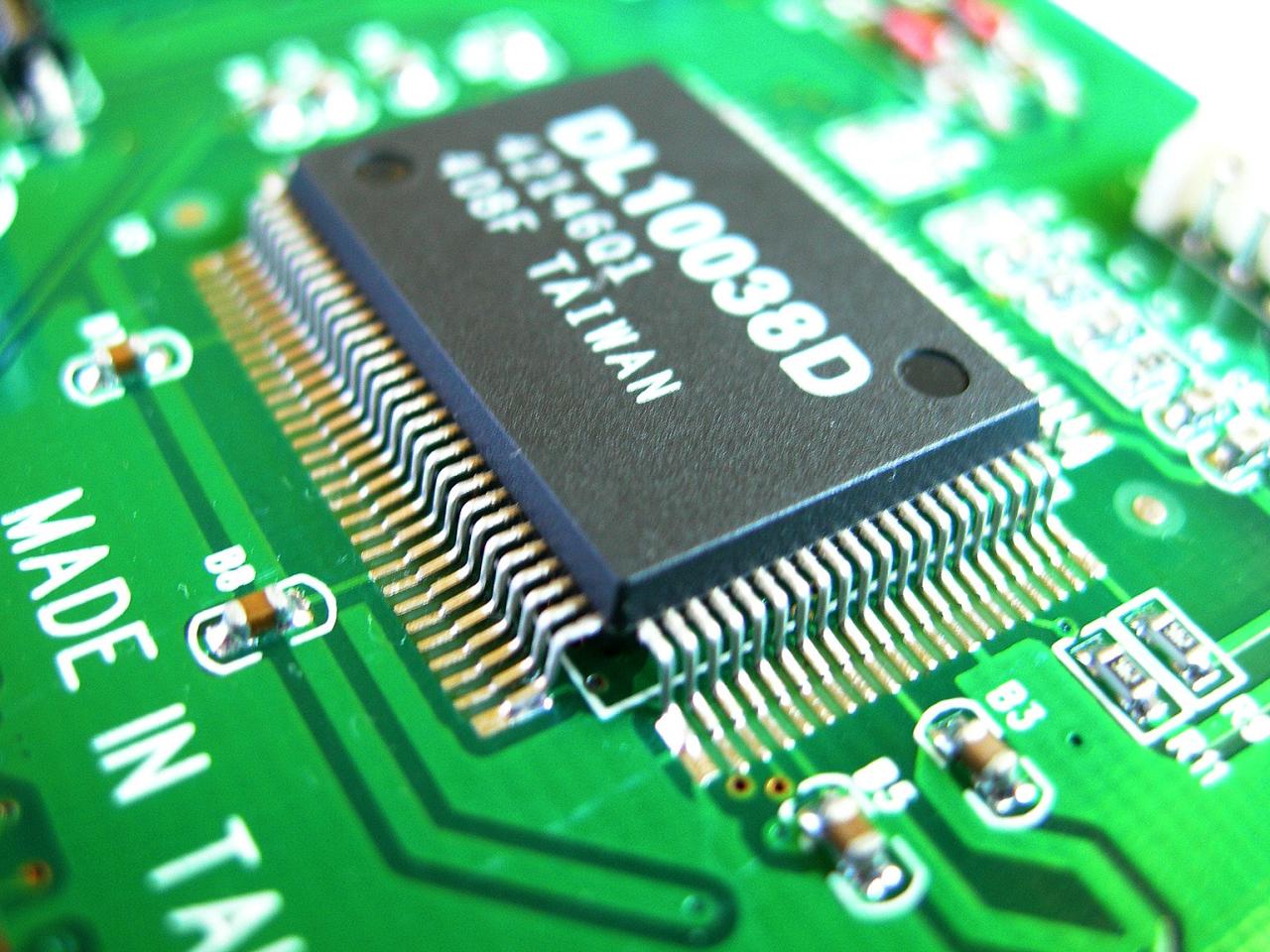
The future of chip technology in iPhones continues to be a beacon of innovation, reflecting Apple’s commitment to advancing mobile computing. As we look ahead, several key trends are emerging that promise to reshape the capabilities and performance of upcoming iPhone models. The integration of advanced chip technologies will unlock new features, enhance user experience, and redefine what mobile devices can achieve.
Upcoming Trends in Chip Technology
The evolution of chip technology is set to introduce several pivotal trends that will influence the next generation of iPhones. These trends include:
- 3nm Process Technology: As manufacturing processes become more refined, Apple is expected to leverage 3nm chip technology, enabling greater efficiency, improved performance, and reduced power consumption.
- Enhanced AI Capabilities: Future chips will likely incorporate more powerful Neural Processing Units (NPUs), allowing for advanced machine learning applications, real-time photo and video enhancements, and personalized user experiences.
- Integration of 5G and Beyond: Upcoming chips will facilitate even faster 5G connectivity and prepare for future wireless standards, enabling smoother streaming, enhanced gaming experiences, and improved cloud services.
- Increased Customization: The trend towards application-specific integrated circuits (ASICs) will allow Apple to tailor chips for specific uses, optimizing performance for tasks such as augmented reality (AR) and virtual reality (VR).
Potential Features Enabled by Next-Gen Chips
The advancements in chip technology are expected to enable a host of new features that could significantly enhance iPhone functionality. These potential features include:
- Real-Time Language Translation: Enhanced AI processing could allow for instantaneous translation during conversations, breaking down language barriers effortlessly.
- Advanced Camera Features: Future chips may utilize AI to enhance low-light photography and introduce features like computational photography that could rival professional camera capabilities.
- Seamless Augmented Reality Experiences: Enhanced processing power could support more sophisticated AR applications, creating immersive experiences for gaming, shopping, and education.
- Longer Battery Life: Innovations in chip efficiency might result in extended battery life, even with intensive use, allowing users to stay connected longer without needing a charge.
Improvements in User Experience
Advancements in chip technology promise to significantly enhance user experience in future devices. Some of these improvements include:
- Faster App Launch Times: With more powerful processors, users will experience quicker loading times for applications, enhancing productivity and overall satisfaction.
- Smoother Multitasking: Improved chip architecture will support seamless multitasking, enabling users to run multiple apps without lag, thereby optimizing workflow.
- Enhanced Security Features: Next-gen chips could introduce advanced security measures, such as on-device encryption and biometric enhancements, ensuring user data remains protected.
- Optimized Gaming Performance: With enhanced graphics processing units (GPUs), gaming on iPhones will reach new levels of immersion and realism, catering to the growing mobile gaming community.
“The future of chip technology in iPhones promises to redefine user experiences, blending efficiency, performance, and innovative functionalities into a cohesive mobile ecosystem.”
Security Features of iPhone Chips
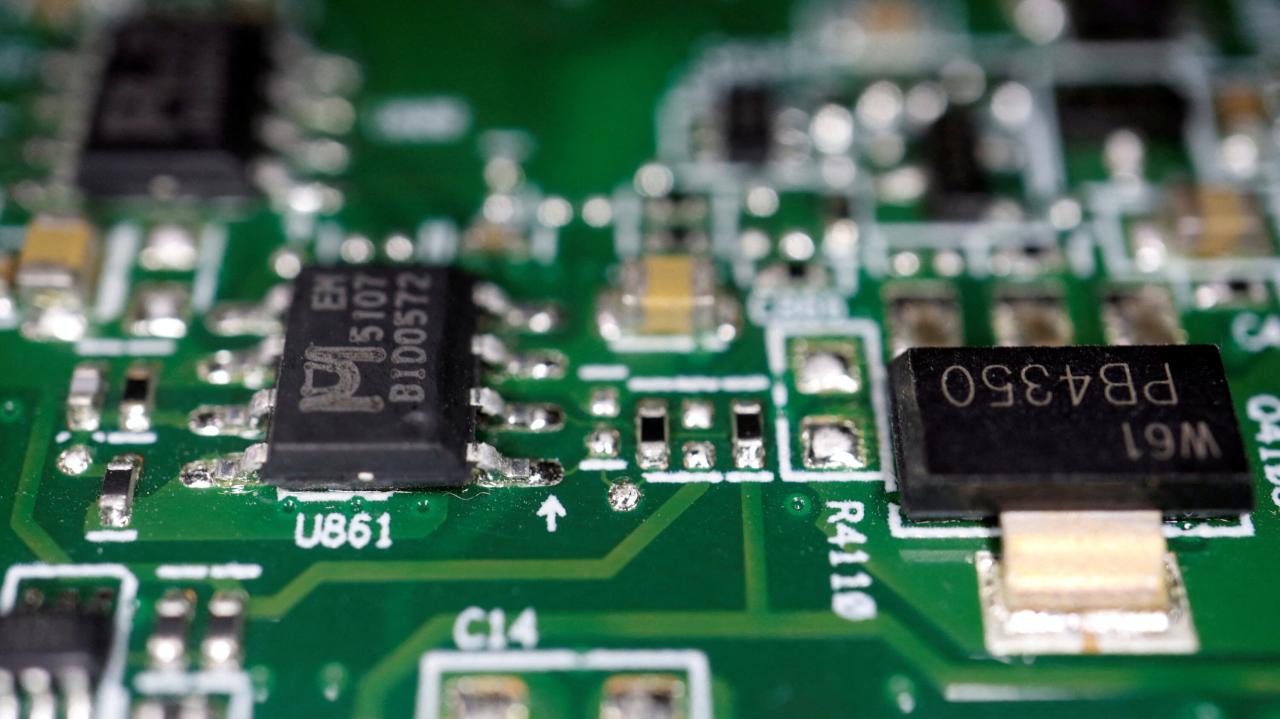
The security of user data has become a cornerstone of modern smartphone technology, and Apple’s iPhone chips play a pivotal role in safeguarding this information. With each iteration of the iPhone, Apple has integrated advanced security features directly into its chips, ensuring that personal data remains private and secure from unauthorized access. This commitment to user security not only enhances consumer trust but also sets a standard in the industry for integrating hardware and software protections.
The iPhone’s chip architecture incorporates several security measures designed to protect user data at multiple levels. Key among these is the Secure Enclave, a dedicated coprocessor that provides a robust layer of security. The Secure Enclave is responsible for handling sensitive information, such as encryption keys and biometric data, ensuring that this data is isolated from the main operating system. This isolation is crucial, as it protects against potential vulnerabilities that could arise from software-level attacks, as the Secure Enclave operates independently and has its own secure boot process.
Role of the Secure Enclave
The Secure Enclave plays a fundamental role in the security architecture of iPhone chips. It is designed to maintain confidentiality and integrity during operations involving sensitive data. The Secure Enclave’s functions include:
- Storing cryptographic keys securely, ensuring they remain inaccessible to both the operating system and potential attackers.
- Processing biometric data, such as fingerprints and facial recognition data, locally on the chip to enhance privacy by preventing the transmission of this data to external servers.
- Enabling secure communication for features like Apple Pay by managing the tokenization process, ensuring that actual card details are never exposed.
The evolution of chip security in iPhones can be observed through enhancements made in recent releases. Each new chip series introduces improvements in the Secure Enclave’s capabilities and hardware-level protections. For instance, the A15 Bionic chip features an advanced Secure Enclave that enhances encryption processes and integrates anti-tampering mechanisms, making it even more resilient to physical attacks. The A16 Bionic, introduced with the iPhone 14 Pro, further refines these features with improved machine learning capabilities for biometric data recognition, making it faster and more secure.
“Apple’s commitment to security continues to drive innovation in chip design, ensuring that user data remains protected against evolving threats.”
As technology advances, Apple’s focus on integrating sophisticated security measures into its chip architecture underscores its dedication to maintaining user trust and setting new benchmarks in smartphone security. This proactive approach illustrates the importance of hardware-based security features in an increasingly digital world.
Essential Questionnaire
What is the significance of chip technology in iPhones?
Chip technology is crucial as it determines the iPhone’s overall performance, energy efficiency, and capabilities including multitasking and gaming.
How does the chip influence battery life?
The latest chip designs focus on energy efficiency, which leads to better battery life by optimizing performance while consuming less power.
Are iPhone chips secure?
Yes, iPhone chips integrate advanced security measures, including the Secure Enclave, to protect user data from unauthorized access.
What future trends can we expect in iPhone chip technology?
Future trends may include enhanced artificial intelligence capabilities, improved processing speeds, and greater integration with augmented reality technologies.
How do iPhone chips enhance gaming performance?
iPhone chips are designed with high-performance graphics capabilities, providing smoother gameplay and better rendering for an immersive gaming experience.
The Samsung Galaxy S11 has emerged as a frontrunner in the smartphone market, boasting advanced camera technology and impressive performance. This flagship device captures stunning photos even in low light, setting new standards for mobile photography. Along with its sleek design, the Galaxy S11 offers features that cater to both tech enthusiasts and casual users alike.
On the other hand, the Samsung Galaxy Note10 continues to impress with its productivity-focused features, making it a favorite among professionals. With the S Pen’s enhanced functionalities, users can seamlessly navigate tasks, making it ideal for multitasking. The Note10’s vibrant display and powerful performance ensure it remains a competitive choice in the premium smartphone segment.