samsung galaxy note 7 stands as a pivotal moment in smartphone history, captivating tech enthusiasts and consumers alike with its innovative features and sleek design. This beloved device introduced users to a world of enhanced productivity through the S Pen, vibrant display, and robust performance, setting a high standard for future smartphones. However, the initial excitement was soon overshadowed by serious battery issues that led to a significant recall, altering the brand’s trajectory and raising safety concerns across the industry.
Understanding the samsung galaxy note 7 is essential, not just for its technological advancements but also for the lessons learned in quality assurance and consumer safety that resonate in today’s devices. From its luxurious build to its functionality, the Note 7 left an undeniable mark, prompting Samsung and competitors to rethink safety protocols and design philosophies.
Overview of Samsung Galaxy Note 7
The Samsung Galaxy Note 7, released in August 2016, represented a significant advancement in the Note series, merging innovative technology with premium design. This device aimed to offer users an enhanced smartphone experience with its distinctive features tailored for productivity and creativity.
The Galaxy Note 7 was equipped with a 5.7-inch Quad HD Super AMOLED display, delivering vibrant colors and sharp images. It was powered by either the Exynos 8890 or Qualcomm Snapdragon 820 processor, depending on the region, and came with 4 GB of RAM and options for either 64 GB or 128 GB of internal storage, expandable via microSD. The device also featured a dual-pixel 12 MP rear camera and a 5 MP front camera, both capable of capturing high-quality images and videos. One of its standout features was the S Pen, which allowed for precise input and included functionalities such as screen-off memo and smart select.
Design and Build Quality
The design of the Galaxy Note 7 was particularly praised for its premium materials and aesthetics. The device featured a glass front and back, encased in an aluminum frame which provided a sleek and modern look. The use of Gorilla Glass 5 offered improved durability and scratch resistance, ensuring that the device could withstand everyday wear and tear.
The Note 7’s IP68 rating for dust and water resistance further enhanced its appeal, allowing users to confidently utilize the device in various environments. The curved edges of the screen not only contributed to the visual appeal but also improved comfort during one-handed use. The positioning of the fingerprint scanner, which was integrated into the home button, was both intuitive and efficient.
Initial Reception and Market Response
Upon its release, the Samsung Galaxy Note 7 received positive reviews from both critics and consumers alike. The device was commended for its stunning display, powerful performance, and innovative features. Many reviewers highlighted the quality of the camera and the functionality of the S Pen, which set it apart from competitors.
The initial market response was enthusiastic, with significant pre-orders recorded globally. The Note 7 was seen as a direct competitor to Apple’s iPhone 7, and it generated high expectations for Samsung’s market position. However, this positive reception was abruptly overshadowed by safety concerns arising from battery issues, leading to a worldwide recall of the device shortly after launch. Despite its promising features and design, the incident has had a long-lasting impact on Samsung’s reputation in the smartphone market.
Battery Issues and Safety Concerns
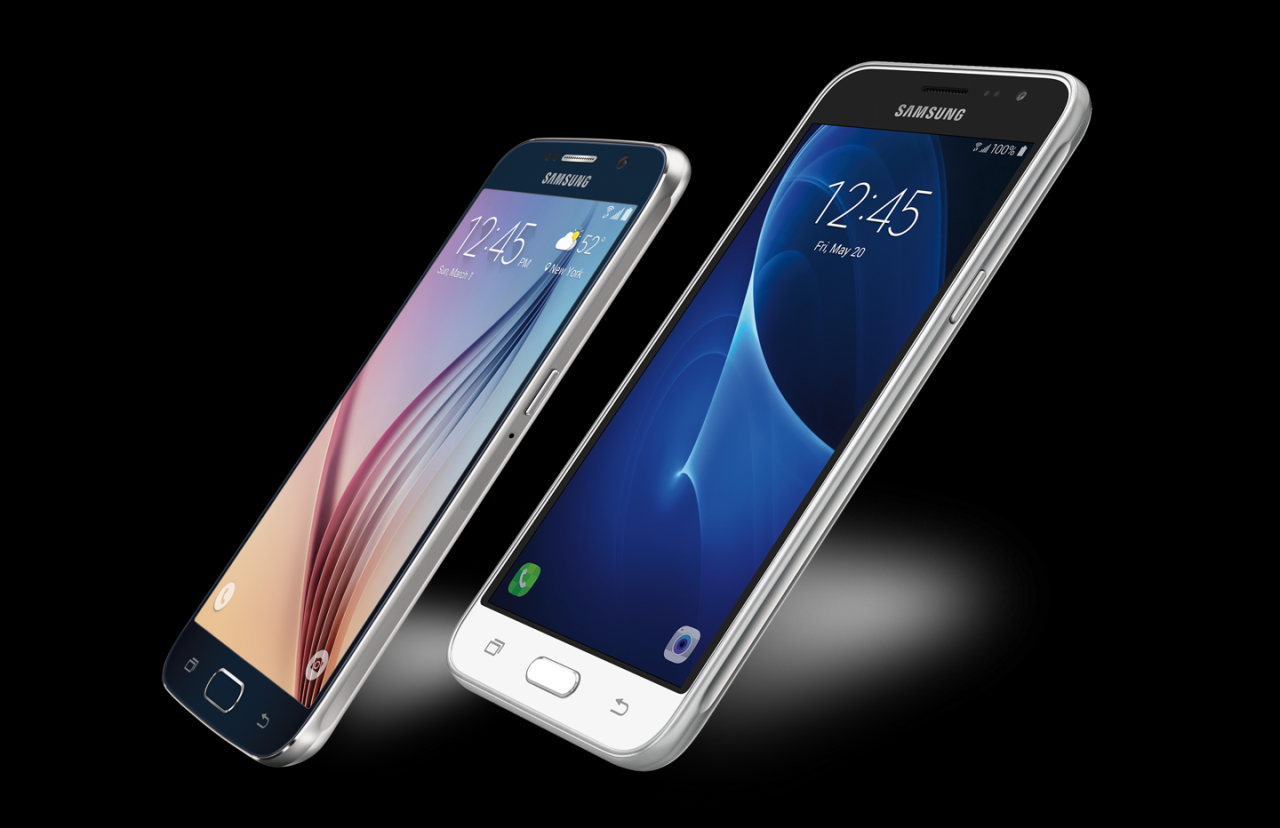
The Samsung Galaxy Note 7 is notorious for its battery issues that ultimately led to one of the most significant recalls in tech history. Initially launched with high expectations, the device quickly faced serious allegations regarding the safety of its lithium-ion battery, which sparked widespread concern among consumers.
The root of the battery problems emerged from a combination of manufacturing defects that caused overheating and, in some cases, fires. Reports surfaced shortly after the phone’s release, indicating that some devices were catching fire during charging or usage. Samsung’s investigation revealed that two different battery suppliers were responsible for the faulty batteries, which led to inconsistent quality control. In response to the alarming incidents, Samsung swiftly initiated a global recall of approximately 2.5 million units, urging customers to power down their devices and return them for exchanges or refunds.
Procedures Taken to Address Battery Safety Issues
Samsung implemented a series of rigorous measures to rectify the alarming safety issues associated with the Galaxy Note 7. The company not only halted production but also embarked on an extensive investigation to identify the root causes of the battery failures. The following procedures were established:
- Battery Replacement Program: Samsung launched a direct exchange program, allowing customers to swap their unsafe devices for new, safe models or receive a full refund.
- Enhanced Safety Testing: The company introduced an 8-point battery safety check to ensure the integrity of the batteries used in the replacement devices.
- Public Assurance: Samsung communicated regularly with consumers to reassure them about the steps being taken to address the issue, ensuring transparency throughout the process.
- Collaboration with Regulatory Authorities: The company worked closely with safety regulators worldwide to monitor the situation and comply with safety regulations, reinforcing their commitment to consumer safety.
The impact of these safety concerns extended far beyond the immediate safety risks. The Galaxy Note 7 incident had a profound effect on Samsung’s brand reputation, raising questions about the quality control processes within the company. Despite the proactive measures taken to rectify the situation, consumer trust was significantly shaken, and the company’s market position suffered a noticeable hit. Analysts reported a decline in sales figures and a decrease in brand loyalty, as consumers became increasingly cautious about purchasing Samsung products in the aftermath. Additionally, the incident catalyzed a broader discussion within the tech industry regarding battery safety, prompting other manufacturers to reevaluate their own battery testing protocols.
“Samsung’s response to the Galaxy Note 7 crisis highlighted the importance of consumer safety, but the damage to its reputation was a stark reminder of how quickly trust can be eroded in the tech industry.”
User Experience and Functionality

The Samsung Galaxy Note 7 was not just another smartphone; it was a well-rounded device that focused heavily on enhancing user experience and productivity. With its unique features, it stood out in the crowded smartphone market, appealing to both professionals and tech enthusiasts alike. This section delves into the aspects that made the Note 7 a popular choice among users, particularly highlighting the exceptional functionality offered by the S Pen.
Unique Features Enhancing User Experience
The Galaxy Note 7 introduced several innovative features that significantly improved user experience. One of its standout elements was the Infinity Display, which provided users with vibrant colors and an immersive viewing experience. The curved edges not only enhanced aesthetics but also offered additional functionality, allowing for convenient access to apps and notifications.
Furthermore, the device was equipped with an IP68 rating, making it water and dust resistant. This feature provided users with peace of mind, knowing that their device could withstand splashes or brief submersions. The Note 7 also came with a robust security feature in the form of an iris scanner, adding an extra layer of biometric protection for sensitive data.
S Pen Enhancements in Productivity and Creativity
The S Pen was a game-changer for the Galaxy Note 7, enhancing both productivity and creativity for its users. Designed to provide a natural writing experience, the S Pen allowed users to jot down notes quickly and efficiently. With a pressure sensitivity of 4096 levels, it made sketching and drawing feel almost like using a real pen on paper.
Notably, the “Screen Off Memo” feature enabled users to write notes directly on the screen without unlocking the device, making it convenient for capturing quick thoughts. Additionally, the Smart Select feature allowed users to capture and annotate screenshots easily, perfect for sharing information or creating visual content.
Comparative Performance with Other Flagship Smartphones, Samsung galaxy note 7
When measuring the Galaxy Note 7’s performance against other flagship smartphones of its time, it held its ground effectively. The device was powered by either the Snapdragon 820 or Exynos 8890 chipset, depending on the region, and was equipped with 4GB of RAM. This combination allowed for seamless multitasking, quick app launches, and efficient performance in demanding applications.
In benchmark tests, the Note 7 often outperformed competitors such as the iPhone 6s and the LG G5, particularly in graphics-intensive tasks. Its integration of the Vulkan API also provided a significant advantage for gaming, delivering smooth frame rates and enhanced graphics quality. Users appreciated the device’s ability to handle everything from business applications to high-end gaming without lag.
“The Note 7’s combination of hardware and software made it not just a phone, but a complete productivity tool.”
Legacy and Impact on Future Devices
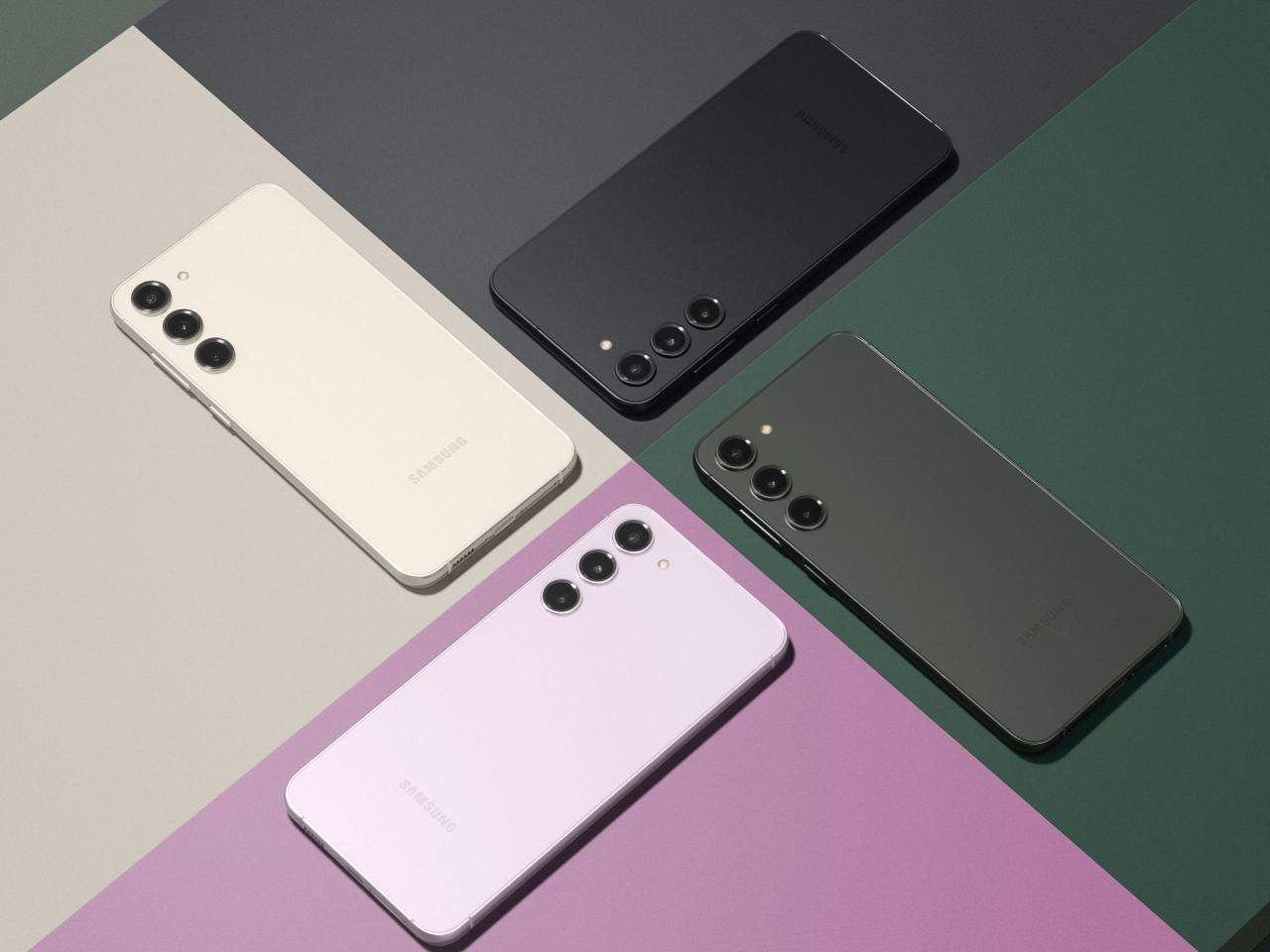
The Samsung Galaxy Note 7, while remembered for its remarkable features, is primarily defined by the significant recall and safety issues surrounding its batteries. The repercussions of this incident extended far beyond the immediate crisis, influencing not only Samsung’s future device designs but also shaping safety standards across the entire tech industry.
The aftermath of the Note 7 recall prompted Samsung to adopt a more rigorous approach to battery safety and product testing. The company established the 8-Point Battery Safety Check, which includes comprehensive inspections at various stages of the battery’s lifecycle, from design and manufacturing to the final product. This systematic approach aimed to restore consumer confidence and enhance the reliability of their devices.
Influence on Industry Safety Standards
The Galaxy Note 7 incident had a profound impact on industry-wide safety protocols. Following the recall, manufacturers recognized the necessity of stricter regulations and improved testing methods for lithium-ion batteries. Key changes in industry safety standards included:
- Enhanced Regulatory Scrutiny: Regulatory bodies worldwide heightened their scrutiny of battery safety, leading to more stringent guidelines for manufacturers.
- Increased Transparency: Companies began to prioritize transparency in their testing processes, sharing their safety protocols with consumers to build trust.
- Adoption of Comprehensive Testing Protocols: Many manufacturers adopted multi-layered testing protocols, inspired by Samsung’s newfound practices, to reduce risks associated with battery malfunctions.
These changes not only addressed the immediate safety concerns raised by the Note 7 but also paved the way for ongoing advancements in battery technology.
Changes in Subsequent Galaxy Note Series Devices
In the wake of the Galaxy Note 7 disaster, Samsung undertook significant redesigns and improvements in its subsequent Galaxy Note series devices. The enhancements focused on safety, functionality, and user experience. Notable improvements included:
- Battery Design Modifications: Newer models featured redesigned batteries with improved heat dissipation capabilities, reducing the risk of overheating.
- Improved Quality Assurance: Samsung invested heavily in quality assurance processes, ensuring that each battery underwent rigorous testing before being approved for use in devices.
- Incorporation of New Technologies: Subsequent Galaxy Note devices benefited from advancements such as the use of safer battery chemistries and more effective thermal management systems.
These steps underscored Samsung’s commitment to safety and reliability, helping to slowly rebuild its reputation and regain consumer trust in the smartphone market. The legacy of the Galaxy Note 7 thus serves as a pivotal learning moment, not only for Samsung but for the entire technology sector, reaffirming the importance of safety and quality in product development.
FAQ Corner: Samsung Galaxy Note 7
What were the key features of the samsung galaxy note 7?
The samsung galaxy note 7 featured a 5.7-inch Super AMOLED display, an S Pen stylus, dual-edge design, and a high-performance Snapdragon 820 processor.
How did Samsung address the battery safety issues?
Samsung issued a global recall, offered exchanges for safe devices, and implemented extensive testing and quality control measures for future products.
What impact did the Note 7 recall have on Samsung’s reputation?
The recall significantly affected Samsung’s brand image, leading to increased scrutiny over their quality control processes and safety protocols.
Did the Note 7 influence future Samsung smartphones?
Yes, the lessons learned from the Note 7 recall prompted Samsung to enhance safety measures and design standards in subsequent Galaxy devices.
What is the legacy of the samsung galaxy note 7?
The legacy of the samsung galaxy note 7 lies in its technological advancements and the vital lessons on consumer safety and product reliability it imparted to the industry.
The Samsung S 10 continues to impress tech enthusiasts with its sleek design and powerful performance. This flagship device offers stunning camera capabilities and a vibrant display, making it a top choice for both casual users and photography lovers alike. With features that cater to diverse needs, it’s no wonder the S 10 remains a popular option in the smartphone market.
In addition to flagship models, Samsung has also introduced the Samsung Galaxy F , which targets budget-conscious consumers without compromising on essential features. This series provides great performance, attractive designs, and impressive battery life, proving that affordability and quality can go hand in hand. The Galaxy F series is a testament to Samsung’s commitment to offering options for various market segments.