samsung galaxy s ii stands as a pivotal moment in the evolution of smartphones, embodying a blend of innovation and functionality that reshaped user expectations. Released in 2011, this device introduced cutting-edge features that set a new standard in the smartphone market, making it a must-have for tech enthusiasts and everyday users alike.
With its sleek design, impressive display, and powerful performance, the Samsung Galaxy S II not only captivated consumers but also influenced future smartphone designs significantly. From its top-notch camera capabilities to its vibrant Super AMOLED screen, this device emerged as a frontrunner, creating ripples that are still felt in the industry today.
History of Samsung Galaxy S II
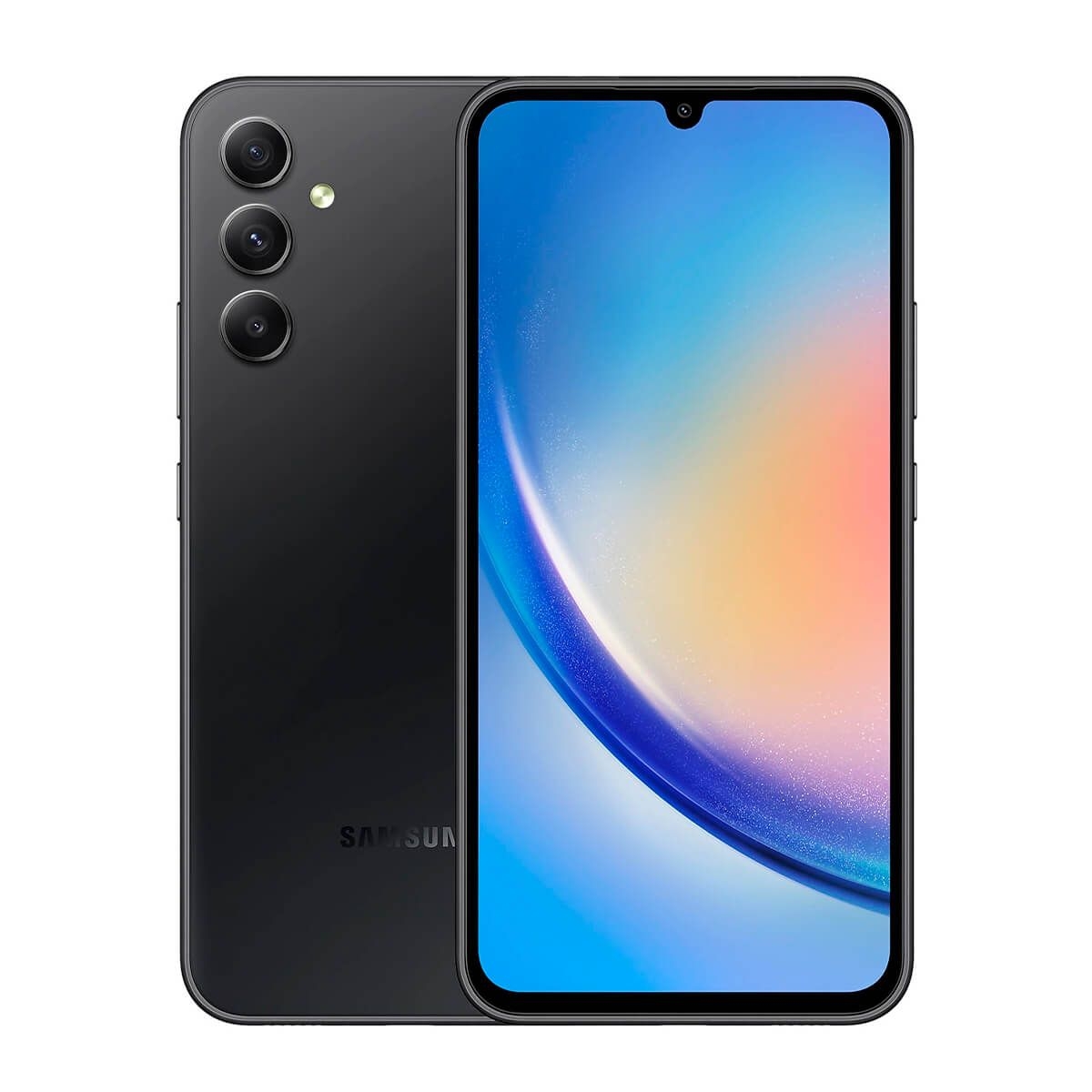
The Samsung Galaxy S II, launched in 2011, marked a significant milestone in the evolution of smartphones. It was developed as a successor to the original Galaxy S, featuring numerous enhancements and innovations that captivated consumers and set a new standard for mobile devices.
The development timeline of the Samsung Galaxy S II illustrates its rapid rise in the competitive smartphone market. Announced at the Mobile World Congress in February 2011, the device was officially released in April of the same year. The Galaxy S II was built on a foundation of extensive research and development, leveraging Samsung’s strengths in display technology and hardware engineering. The smartphone was powered by a dual-core processor, a first for many mobile devices at that time, enabling faster performance and improved multitasking capabilities.
Key Features of Samsung Galaxy S II
The Samsung Galaxy S II distinguished itself from its predecessors through a combination of cutting-edge features and a sleek design. Key features that contributed to its appeal included:
- Display: The Galaxy S II boasted a 4.3-inch Super AMOLED Plus display, which provided vibrant colors and deep blacks, enhancing the overall viewing experience for users.
- Performance: With its 1.2 GHz dual-core processor, the device offered significantly improved speed and efficiency, allowing for smoother operation and better gaming performance.
- Camera: The smartphone featured an 8-megapixel rear camera with LED flash and 1080p video recording capabilities, placing it ahead of many competing devices in terms of imaging quality.
- Design: At just 8.49 mm thick, the Galaxy S II was one of the thinnest smartphones available, with a lightweight design that appealed to consumers who valued portability.
- Operating System: Running on Android 2.3 (Gingerbread) at launch, the Galaxy S II was later updated, offering users access to newer features and improved functionalities.
The impact of the Samsung Galaxy S II on the smartphone market was profound and far-reaching. It not only helped solidify Samsung’s position as a major player in the mobile industry but also influenced the design and functionality of future smartphones. The introduction of a dual-core processor became a standard expectation among consumers, while the device’s impressive display set a benchmark for quality screens in subsequent models.
Moreover, the Galaxy S II played a crucial role in driving competition within the smartphone market, prompting other manufacturers to innovate and enhance their offerings. The successes of the Galaxy S II paved the way for future releases in the Galaxy S series, ultimately leading to Samsung becoming one of the leading smartphone brands worldwide. The Galaxy S II is often remembered as a pivotal device that helped shape the modern smartphone landscape.
Technical Specifications and Features
The Samsung Galaxy S II made waves in the smartphone market upon its release, showcasing impressive specifications that set a new standard for mobile devices. With its sleek design and powerful performance, it captured the attention of tech enthusiasts and everyday users alike. This section delves into the technical specifications and standout features that made the Galaxy S II a formidable contender in its era.
Key Technical Specifications
The specifications of the Samsung Galaxy S II highlight its advanced technology and user-friendly capabilities. Below is a detailed overview of the device’s specifications:
| Specification | Details |
|---|---|
| Display | 4.3 inches Super AMOLED Plus, 480 x 800 pixels |
| Processor | Dual-core 1.2 GHz Cortex-A9 |
| RAM | 1 GB |
| Storage | 16/32 GB internal, expandable via microSD up to 32 GB |
| Camera | 8 MP (primary), 2 MP (secondary) |
| Battery | 1650 mAh, removable |
| Operating System | Android 2.3 Gingerbread, upgradable to 4.1 Jelly Bean |
Standout Features
The Samsung Galaxy S II introduced several remarkable features that distinguished it from its contemporaries. Its camera quality, display technology, and battery life were particularly noteworthy:
1. Camera Quality: The Galaxy S II’s 8 MP camera offered impressive features such as autofocus, LED flash, and the capability to record video in 1080p at 30 frames per second. The front-facing camera, though modest at 2 MP, was ideal for video calls, making it a well-rounded device for photography enthusiasts.
2. Display: Featuring a 4.3-inch Super AMOLED Plus display, the Galaxy S II provided vibrant colors and deep contrast levels, enhancing the user experience significantly. This technology allowed for better sunlight visibility and lower power consumption compared to traditional LCD screens.
3. Battery Life: Equipped with a 1650 mAh battery, the Galaxy S II offered commendable endurance, with users reporting up to 8 hours of continuous talk time and 18 hours on standby. This was particularly impressive for a smartphone of its time, allowing for extended use without frequent recharging.
Hardware Comparison with Competitors
During its release period, the Galaxy S II faced competition from various smartphones that also boasted impressive specifications. A comparative analysis reveals how it fared against its rivals:
| Smartphone | Display | Processor | Camera | Battery |
|---|---|---|---|---|
| Samsung Galaxy S II | 4.3 inches Super AMOLED Plus | 1.2 GHz Dual-core | 8 MP | 1650 mAh |
| HTC Sensation | 4.3 inches S-LCD | 1.2 GHz Dual-core | 8 MP | 1520 mAh |
| LG Optimus 2X | 4.0 inches IPS LCD | 1.0 GHz Dual-core | 8 MP | 1500 mAh |
Overall, the Samsung Galaxy S II not only matched but often exceeded the specifications of its contemporaries, proving to be a robust option in the competitive landscape of smartphones. Its combination of powerful hardware, stunning display, and excellent camera capabilities made it a favorite among users and critics alike.
User Experience and Reviews

The Samsung Galaxy S II received a wide array of user experiences and reviews, reflecting its impact on the smartphone market during its release. Users often praised the device for its sleek design and impressive performance, making it a popular choice among smartphone enthusiasts. However, as with any technology, some common issues emerged, prompting discussions about user support and product durability.
User Testimonials and Experiences
Feedback from users highlights several key aspects of the Galaxy S II that resonated positively. Many users reported that the device’s Super AMOLED Plus display provided stunning visuals and vibrant colors, enhancing their media consumption and gaming experiences. The dual-core processor was particularly noted for its speed, enabling smooth multitasking and efficient app performance.
Conversely, some users encountered issues, particularly related to battery life. Reports indicated that heavy usage could drain the battery quickly, prompting users to seek solutions. Many found that optimizing settings, such as reducing screen brightness and limiting background app activity, helped extend battery longevity.
Common Issues Faced by Users
Despite the overall positive reception, certain common issues became apparent among users of the Galaxy S II. Addressing these concerns is crucial for maintaining user satisfaction. Key issues included:
- Battery Drain: Many users experienced rapid battery depletion, especially during intensive usage.
- Overheating: Some reported that the device tended to heat up during prolonged usage, particularly when using resource-heavy applications.
- Software Lag: A segment of users found that after several months of use, the device could slow down, impacting the overall user experience.
To mitigate these issues, users shared various resolutions. For battery concerns, frequent software updates from Samsung provided optimizations that improved power management. Additionally, third-party apps were introduced to monitor and manage battery usage effectively.
Reception from Tech Critics
Tech critics lauded the Samsung Galaxy S II for its innovative features, positioning it as a frontrunner in the smartphone market at the time. Reviews often highlighted its competitive edge with rivals, particularly in terms of display quality and processing speed. Critics from renowned tech publications noted:
“The Galaxy S II redefines what we expect from a smartphone, combining performance with style in a way that few competitors can match.”
Many reviews emphasized its high-quality camera capabilities, which delivered impressive photos even in low-light conditions.
Overall, the Galaxy S II was frequently recommended for both casual users and tech enthusiasts, securing its place as one of the standout devices of its generation. Its influence is felt even today as it set a benchmark for future smartphone designs.
Legacy and Influence: Samsung Galaxy S Ii
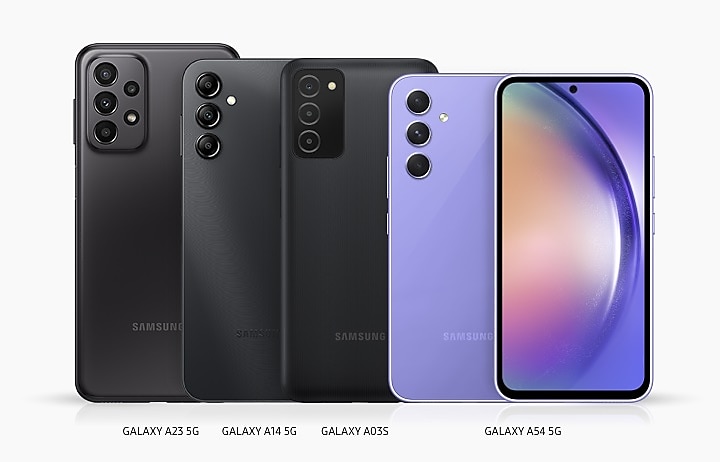
The Samsung Galaxy S II stands as a pivotal device in the evolution of smartphones, marking a significant shift in design, functionality, and consumer expectation. Released in 2011, it set the stage for a new era of mobile technology, showcasing features and innovations that would become standard in the industry. Its legacy is not only reflected in Samsung’s own product lineup but also in the broader smartphone market that continues to evolve today.
The Galaxy S II’s influence can be traced through its innovative design and user-centric features, which redefined how smartphones were perceived. It was one of the first devices to adopt a slim profile with a vibrant Super AMOLED display, emphasizing the importance of aesthetics alongside functionality. This combination of style and performance not only attracted consumers but also prompted competitors to rethink their designs and feature sets, leading to a wave of advancements across the industry.
Impact on Modern Smartphone Designs, Samsung galaxy s ii
The design principles and features introduced by the Galaxy S II have left a lasting imprint on modern smartphones. Notably, its lightweight build and curved edges have become benchmarks for contemporary devices. The importance of screen quality, demonstrated by the Super AMOLED technology, has led to the widespread adoption of high-resolution displays in today’s smartphones.
Key influences include:
- Screen Technology: The vibrant Super AMOLED display paved the way for manufacturers to prioritize display quality, leading to a surge in high-definition screens.
- Materials and Design: The use of plastic and glass in the Galaxy S II influenced the materials used in subsequent smartphone designs, promoting a focus on lightweight and durable devices.
- User Interface Innovation: The TouchWiz interface introduced with the Galaxy S II showcased the potential for customizable user experiences, a trend that is now commonplace.
- Camera Capabilities: The emphasis on a high-quality camera module set new expectations for smartphone photography, leading to the development of advanced imaging technologies in modern devices.
The Galaxy S II has also served as a foundation for Samsung’s brand evolution. Its success solidified Samsung’s position as a leading player in the smartphone market, enabling the company to invest heavily in research and development. This commitment to innovation has resulted in a diverse range of products, from the Galaxy Note series to the foldable Galaxy Z devices, each reflecting the groundwork laid by the Galaxy S II.
“The Samsung Galaxy S II not only changed consumer expectations but also set a new standard for technological advancement within the smartphone industry.”
Furthermore, the Galaxy S II’s impact can be observed in the competitive landscape, where manufacturers continuously strive to replicate its successful blend of features and design. Its legacy is evident in how smartphones have evolved to include enhanced multimedia capabilities, powerful processing units, and rich user interfaces, all aimed at delivering seamless experiences that the Galaxy S II first brought to the forefront.
Questions Often Asked
What year was the Samsung Galaxy S II released?
The Samsung Galaxy S II was released in 2011.
What is the screen size of the Samsung Galaxy S II?
The Samsung Galaxy S II features a 4.3-inch display.
Does the Samsung Galaxy S II support expandable storage?
Yes, it supports expandable storage via a microSD card.
What operating system does the Samsung Galaxy S II run?
Initially, it ran Android 2.3 Gingerbread, with updates available for later versions.
How does the camera quality of the Samsung Galaxy S II compare to its competitors?
The Samsung Galaxy S II’s camera was considered exceptional for its time, featuring an 8MP rear camera that outperformed many contemporaries.
The Samsung S 9 Plus stands out with its impressive camera capabilities and sleek design, making it a popular choice among smartphone enthusiasts. Its advanced features, such as improved low-light photography and powerful performance, cater to users looking for a premium experience. If you’re considering an upgrade, this model definitely deserves your attention.
When discussing iconic devices, the Galaxy S 7 often comes to mind, known for its robust build and vibrant display. This smartphone set a benchmark in its era, combining functionality with style, making it a favorite for many. Its lasting impact on the smartphone market continues to resonate, influencing designs of subsequent models.