samsung note7 sets the stage for this enthralling narrative, offering readers a glimpse into a story that is rich in detail and brimming with originality from the outset. This flagship smartphone from Samsung was launched with high expectations and cutting-edge features, including a stunning display, advanced multitasking capabilities, and an impressive camera. However, it quickly became infamous due to battery issues that led to a massive recall, forever altering the trajectory of the brand and consumer trust.
The Samsung Note7 was positioned to attract tech enthusiasts and professionals alike, boasting features like an S Pen, water resistance, and fast charging. Despite its innovative design and functionalities, the incidents surrounding its battery failures ultimately overshadowed its technological prowess, presenting a complex case study in product management and crisis response.
Overview of Samsung Note7
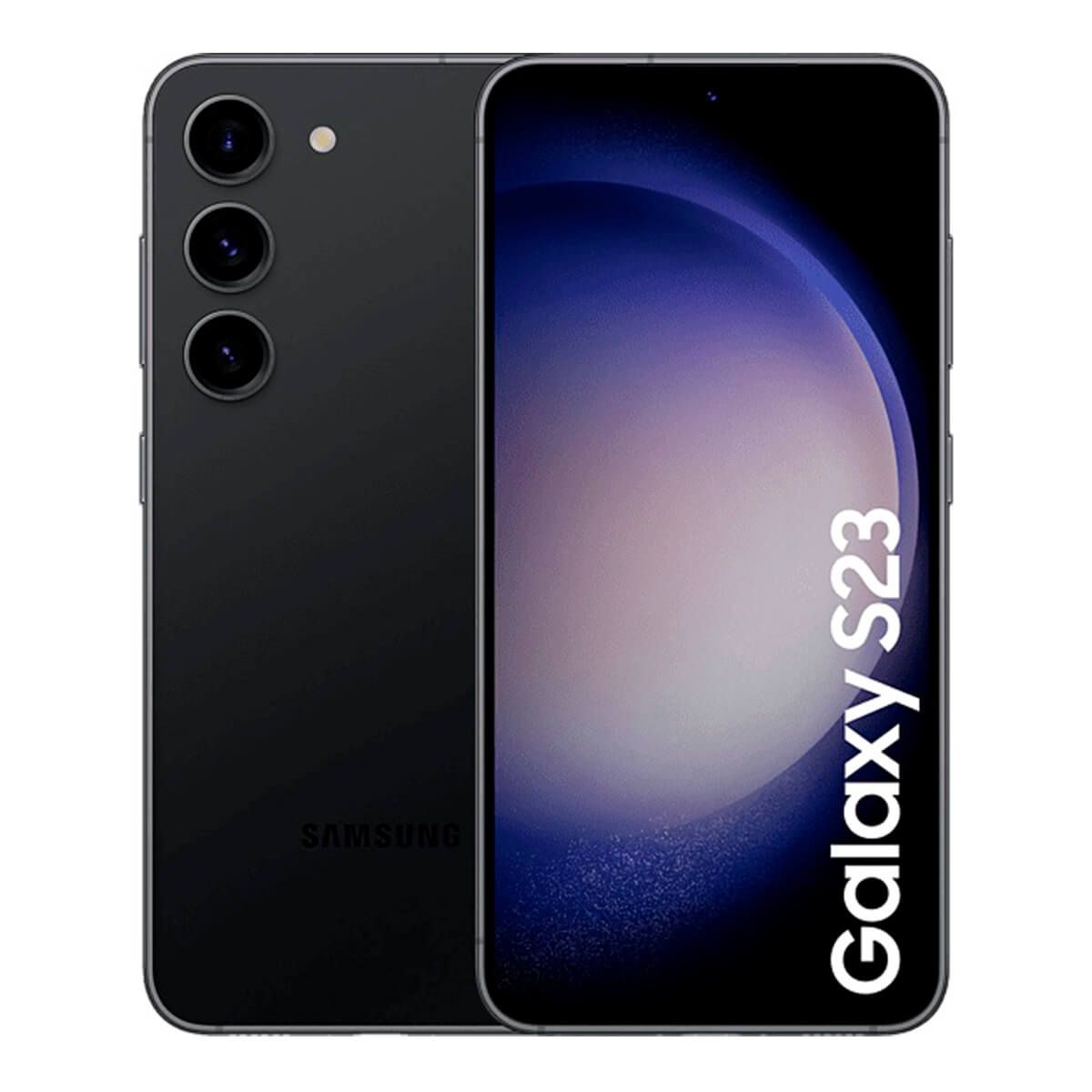
The Samsung Note7 was a flagship smartphone released amidst high expectations, showcasing the best of Samsung’s technology at the time. From its sleek design to powerful features, it was designed to cater to professionals and tech enthusiasts alike, aiming to blend productivity with premium performance.
At the core of its appeal were several standout specifications and features. The Samsung Note7 boasted a 5.7-inch Quad HD Super AMOLED display, powered by a Snapdragon 820 processor or Exynos 8890, depending on the region. It came with either 4GB of RAM and 64GB of internal storage, expandable via microSD. The device also featured a top-tier 12MP rear camera with dual-pixel technology for improved low-light photography and a 5MP front-facing camera. Additional highlights included IP68 water and dust resistance, an iris scanner for enhanced security, and a 3,500 mAh battery capable of fast charging, which was a remarkable feature for users on the go.
Release Timeline and Major Events
The Samsung Note7 generated significant buzz leading up to its release and thereafter witnessed a turbulent journey.
- August 2, 2016: Samsung officially unveiled the Galaxy Note7 at an event in New York City, showcasing its premium features.
- August 19, 2016: The device was made available for pre-order in various markets, with many consumers eager to upgrade.
- September 2016: Reports of battery issues began to surface, where some users experienced devices overheating.
- September 15, 2016: Samsung initiated a global recall of the Note7 to replace devices with faulty batteries; over 2.5 million units were affected.
- October 2016: After introducing replacements, more incidents of overheating were reported, leading to heightened scrutiny.
- October 11, 2016: Samsung officially discontinued the Note7, advising consumers to power down their devices and return them for refunds or exchanges.
The rapid sequence of events highlighted not just the challenges Samsung faced with the Note7, but also the importance of rigorous quality control in the smartphone industry. The situation prompted a reevaluation of battery safety standards across the technology sector.
Target Audience and Market Positioning
The Samsung Note7 was strategically positioned to attract a blend of users who seek cutting-edge technology and productivity tools. Its features were tailored for:
- Business Professionals: With its S Pen functionality and productivity-enhancing features, it was ideal for users needing to take notes, sketch, or annotate documents on the go.
- Tech Enthusiasts: Users who prioritize high-end specifications and the latest technology advancements found the Note7 appealing, especially with its display and camera capabilities.
- Content Creators: The superior camera and display quality attracted photographers and videographers looking for a portable device for capturing high-quality content.
Samsung positioned the Note7 as a premium device within the competitive smartphone market, competing directly with other flagship models, including the Apple iPhone and Google Pixel. Despite its eventual recall and discontinuation, the Note7’s initial launch underscored the brand’s commitment to innovation and excellence in mobile technology.
Battery Issues and Recall

The Samsung Galaxy Note7 was introduced as a flagship device, but its legacy became overshadowed by significant battery issues that culminated in a massive recall. The problems began shortly after the device’s launch, with numerous reports of the phone’s battery overheating and, in some cases, catching fire. This situation not only jeopardized user safety but also posed a severe threat to Samsung’s reputation.
The issue was traced back to the lithium-ion battery used in the Note7, which was found to have a manufacturing defect. This defect led to short-circuiting, which caused overheating and, ultimately, fires. In response to these alarming incidents, Samsung initiated a recall, urging customers to stop using the devices immediately and return them for a replacement or refund. This decision affected millions of units worldwide, leading to substantial financial repercussions for the company.
Actions Taken by Samsung
To address the crisis and manage the extensive recall, Samsung implemented a series of strategic measures. The company’s response included:
- Announcement of the recall: Samsung officially announced the recall in September 2016, advising consumers to power down their devices and return them for replacements.
- Replacement program: Customers were given the option to exchange their faulty Note7 for a new, safer model equipped with a different battery or to receive a full refund.
- Enhanced safety measures: Samsung worked closely with battery manufacturers to reshape their quality control processes, ensuring that future products met stringent safety standards.
- Communication strategy: The company maintained open lines of communication with customers, providing timely updates about the recall and the steps being taken to rectify the situation.
- Customer support: Samsung expanded its customer service capabilities and created an easy-to-navigate return process to facilitate the recall.
The recall was one of the largest in consumer electronics history, affecting an estimated 2.5 million devices globally.
Customer Feedback and Statistics
Customer feedback during and after the recall highlighted serious concerns about the Note7’s safety and performance. Many users expressed frustration over the inconvenience, while others raised questions about the reliability of Samsung’s brand going forward.
Statistics show that approximately 96% of the recalled devices were successfully returned, which indicates a strong customer response to the recall initiative. However, the incident led to a significant decline in consumer trust, with many potential buyers hesitant to purchase Samsung products following the debacle. According to reports, Samsung’s market share in the smartphone sector saw a decline, with analysts estimating a loss of billions in revenue due to the fallout from the Note7 incident.
In the aftermath of the recall, Samsung introduced additional safety measures for their future devices, including an eight-point battery safety check to prevent similar issues. Despite the challenges posed by the Note7, the company’s proactive approach to the recall aimed to rebuild consumer trust and reaffirm its commitment to safety.
Impact on Brand Reputation
The Samsung Note7 incident significantly impacted Samsung’s brand image, leading to a profound reevaluation of its marketing strategies and customer trust. The explosive battery issues not only raised safety concerns but also tarnished the reputation of a brand long held in high regard for quality and innovation. The recall of millions of devices and the subsequent decision to discontinue the Note7 line were pivotal moments that underscored the fragility of brand reputation in the tech industry.
Effects on Brand Image
The fallout from the Note7 crisis caused immediate and long-lasting damage to Samsung’s public perception. This incident led to a considerable decline in consumer confidence. Research conducted by various market analysis firms indicated a drop in customer loyalty, with many consumers considering alternatives from competitors like Apple. The incident drew widespread media coverage, amplifying negative sentiments and causing potential buyers to reconsider their choices. According to a survey conducted shortly after the recall, nearly 30% of Samsung smartphone users expressed that they would be unlikely to purchase another Samsung device in the future, illustrating the deep-rooted impact of the crisis on brand loyalty.
Long-term Implications for Marketing Strategies
In the aftermath of the Note7 debacle, Samsung had to recalibrate its marketing approaches to regain customer trust and restore its brand image. The company initiated a series of strategic shifts, including increased transparency in product development and stringent quality control measures. Additionally, Samsung invested heavily in marketing campaigns that emphasized safety and reliability in its future products. For instance, the launch of the Galaxy S8 featured an extensive focus on the rigorous testing procedures employed to ensure device safety, as part of the rebranding effort. This strategic pivot not only sought to recover lost trust but also aimed to position Samsung as a leader in innovation while ensuring consumer safety.
Comparative Analysis of Crisis Management
When analyzing Samsung’s handling of the Note7 crisis, it is imperative to compare it with other tech companies’ product recalls. Several notable cases provide insight into effective and ineffective crisis management strategies. For instance, Apple’s handling of the iPhone 6 Plus “Bendgate” controversy was met with relative success, as the company implemented a straightforward acknowledgment of the issue and took proactive measures to address customer concerns without a full product recall. In contrast, Samsung faced criticism for its initial response to the Note7 incidents, which was seen as slow and inadequate, further exacerbating public distrust.
The importance of prompt and effective communication during a crisis is underscored by such comparisons. Companies like Toyota, which faced significant backlash during their accelerator pedal recall, eventually regained customer trust through transparent communication and robust corrective measures. Hence, while Samsung’s response included a comprehensive recall and analysis, the initial handling of the situation left an impression that the company was unprepared, impacting its competitive standing in the long run.
Legacy of Samsung Note7
The Samsung Note7, despite its tumultuous journey, has left an indelible mark on the smartphone industry. Its development and subsequent issues not only highlighted the innovative potential of mobile technology but also served as a catalyst for significant changes in product safety protocols and consumer expectations. Understanding the legacy of the Note7 provides valuable insights into the future of smartphone design and manufacturing.
Technological Advancements from Note7 Development, Samsung note7
The Samsung Note7 brought several technological advancements that paved the way for future devices. One of its most notable features was the introduction of an enhanced display technology known as the Dual Edge screen. This innovation allowed for a more immersive user experience and set a new standard for smartphone displays. Additionally, the Note7 featured advanced biometric security measures, such as iris scanning, which have become increasingly common in modern smartphones. These developments underscored the importance of integrating cutting-edge technology into user-friendly interfaces, influencing subsequent Samsung models and other competitors in the market.
Lessons Learned for Future Product Launches
The Note7 incident highlighted crucial lessons for the tech industry regarding product safety and risk management. Companies have since realized the importance of rigorous testing protocols and quality assurance measures in the product development phase. The following points illustrate key takeaways:
- Enhanced Testing Protocols: Manufacturers are now more focused on comprehensive testing, including battery safety tests under various conditions.
- Transparent Communication: Building trust with consumers requires clear communication regarding product issues and recalls.
- Risk Management Strategies: Developing proactive risk assessment frameworks can help identify potential issues before they escalate.
- Consumer Feedback Integration: Actively soliciting and integrating consumer feedback can lead to better product outcomes and customer satisfaction.
“The Note7 incident underscored the pivotal role of safety in product development and consumer trust.”
Shaping Consumer Expectations in the Smartphone Industry
The fallout from the Note7 incident has profoundly influenced consumer expectations regarding smartphone reliability and safety. Today’s consumers are increasingly aware of the potential risks associated with battery technology and expect manufacturers to prioritize safety. The Note7 has set a high benchmark for transparency and accountability in product recalls. This case has cultivated a culture where consumers demand:
- Higher Safety Standards: Consumers now expect rigorous safety checks and certifications before purchasing devices.
- Real-time Updates and Support: There is an increased demand for timely information regarding product performance and safety.
- Innovation with Responsibility: Consumers favor brands that demonstrate a commitment to ethical manufacturing and sustainable practices.
“The Samsung Note7 reshaped consumer trust, emphasizing that technological innovation must never compromise user safety.”
FAQ Explained
What were the key features of the Samsung Note7?
The Samsung Note7 featured a 5.7-inch QHD display, S Pen functionality, water resistance, and a dual-pixel camera.
When was the Samsung Note7 released?
The Samsung Note7 was officially released on August 19, 2016.
What caused the battery issues in the Samsung Note7?
The battery issues were linked to manufacturing defects that led to overheating and potential fires.
How did Samsung manage the recall of the Note7?
Samsung initiated a global recall, offering exchanges and refunds to affected customers while also implementing stricter quality control measures.
What impact did the Note7 incident have on Samsung’s reputation?
The incident significantly impacted Samsung’s brand image, leading to increased scrutiny and tougher marketing strategies in the aftermath.
The latest samsung s 19 offers an impressive blend of performance and design, making it a top contender in the smartphone market. With its advanced features and sleek aesthetic, this model is designed to cater to tech enthusiasts and everyday users alike, ensuring a seamless experience in both productivity and entertainment.
When it comes to productivity, the samsung galaxy note10 stands out with its remarkable S Pen functionality. This device not only enhances note-taking but also streamlines various tasks, making it an excellent choice for professionals looking for efficiency without compromising on style and performance.